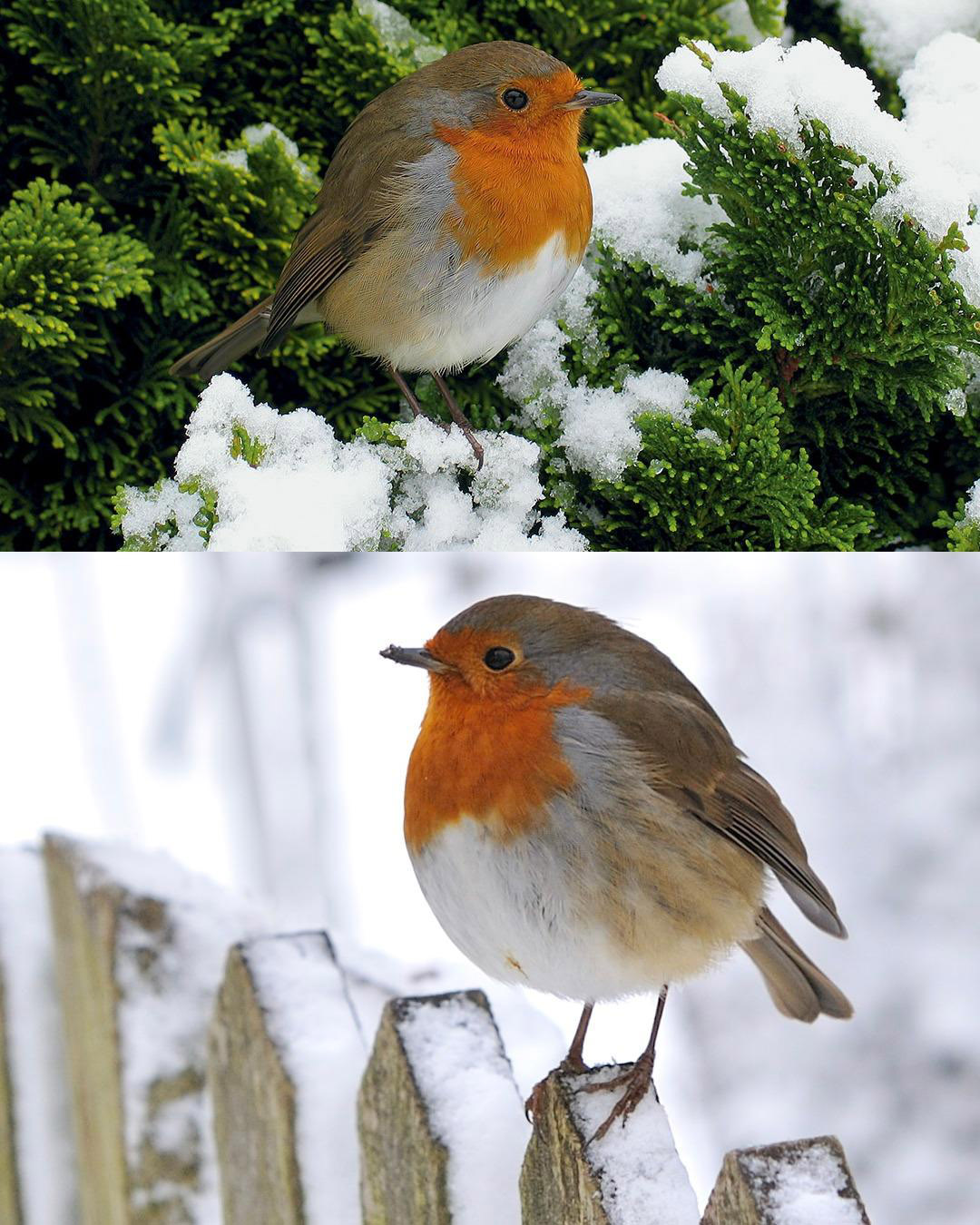
The European robin is one of those birds people instantly recognise. Small, round, with a bright red breast and a clear, confident song, it brings life and warmth to any garden. Robins are not just pleasant to watch. They also play a useful role by feeding on insects, larvae and small invertebrates that would otherwise damage plants.
Alongside insects, they enjoy berries and soft fruits like raspberries and blackberries. This varied diet is one of the reasons they adapt so well to gardens and are often happy to stay close to human homes when conditions feel right.
The right time and food to attract them
Robins usually become more visible in autumn. As natural food becomes harder to find, they start exploring gardens in search of reliable sources of nourishment and shelter. September and October are ideal months to make your garden more inviting. Once a robin feels safe, it may remain through winter and into spring.
Food plays a major role. Simple options work well. Breadcrumbs and crushed dry biscuits are easy to offer and appreciated. Fat-based bird food is especially helpful during colder months, providing energy and warmth. Seeds such as millet or oats attract robins quickly, while berries and soft fruits add variety and essential vitamins.
It is best to place food in calm, quiet spots where birds are not constantly disturbed. Robins are curious but cautious, and they return more readily when they feel secure.

Creating a welcoming space with water and shelter
Even a small garden or balcony can attract robins with a few thoughtful touches. A bird feeder does not need to be elaborate. A simple wooden feeder or a recycled container works perfectly if placed somewhere sheltered and peaceful.
Fresh water is just as important as food. A shallow dish or small birdbath allows robins to drink and bathe. Keeping the water clean and placing it in a shaded area helps prevent it from heating up or becoming dirty too quickly.
Plants also matter. Dense shrubs and berry producing plants give robins places to hide, rest and sometimes nest. Hawthorn, dogwood and butcher’s broom are especially suitable, offering both cover and food. These plants create a small natural refuge where birds feel protected from predators.
With food, water and shelter in place, a garden can quickly become a favourite stop for robins. Their song, movement and presence bring a quiet sense of joy and connection to nature, turning even the smallest outdoor space into a living, breathing sanctuary.