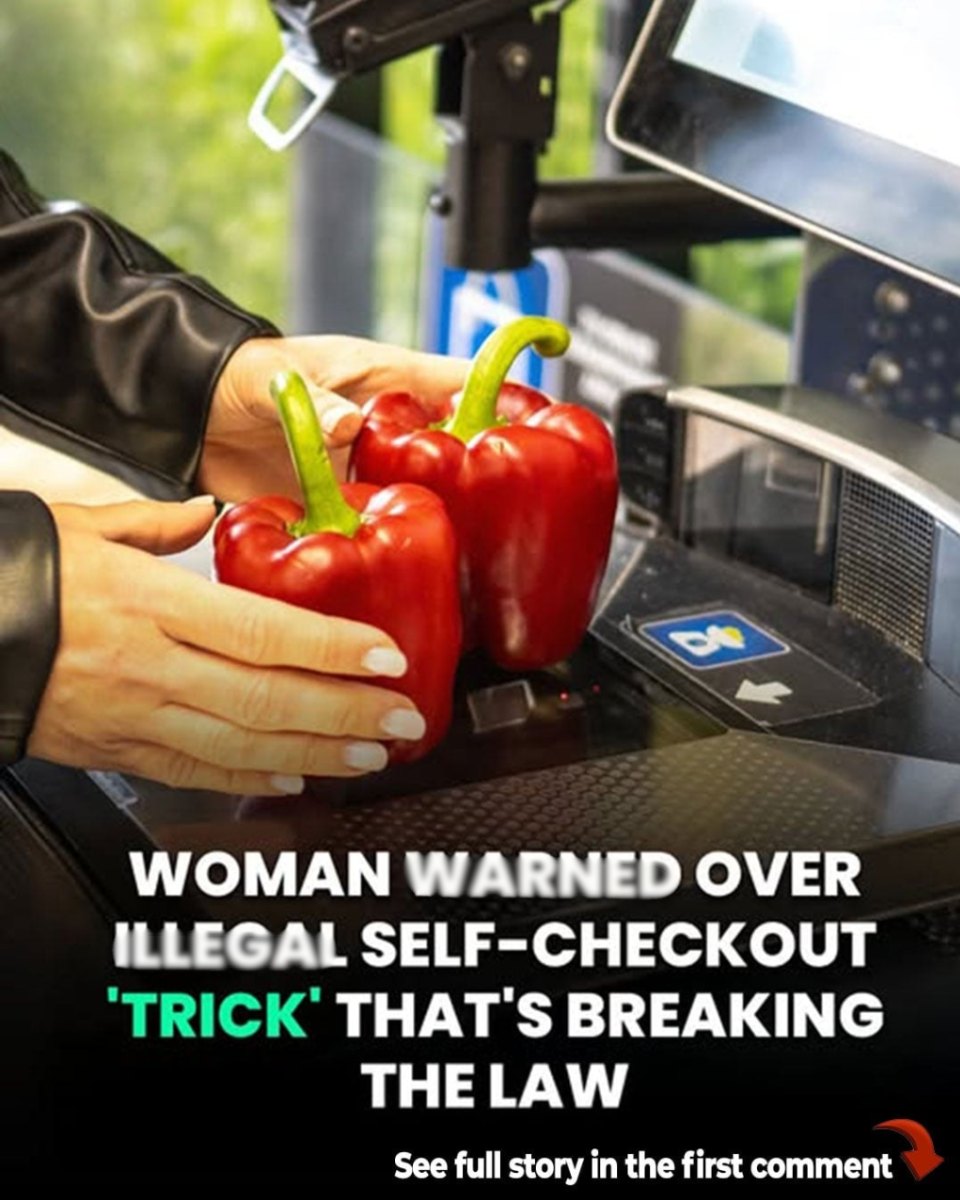
If you were given the chance, would you steal from another person? What if that person were replaced by a machine?
Over the past decade, retailers across the United States have installed thousands of self-checkout machines to reduce labor costs. While these systems promise efficiency, they have also created new and expensive problems.
One of the most significant is theft. From simple tricks to deliberate manipulation, shoppers have found ways to exploit self-checkout systems, costing retailers millions.
The Banana Trick
Voucher Codes Pro, a coupon website, surveyed 2,634 people about their behavior at self-checkout machines. Nearly 20 percent admitted to stealing from an automated checkout at least once. More than half said they did so because they believed they were unlikely to get caught. Several common methods have emerged:
1. The Banana Trick
This involves scanning a costly item using the code for a cheap produce item. A common example is paying for an expensive steak by ringing it up as a banana.
2.The Pass Around
This occurs when a shopper places an item directly into their bag without scanning it.
3. The Switcheroo
This trick involves peeling a barcode sticker from an inexpensive item and placing it over the barcode of a more expensive one.

How Much Is Being Lost?
In 2015, criminologists at the University of Leicester reviewed one million self-checkout transactions over a year. The total value of sales was 21 million dollars. Of that amount, nearly 850,000 dollars worth of merchandise was never paid for, highlighting how costly these small acts of theft can be when they add up.
Why Are People Stealing?
According to the Leicester researchers, convenience plays a major role. People who would not normally steal may do so simply because the opportunity is there. “People who traditionally don’t intend to steal [might realize that] … when I buy 20, I can get five for free,” the authors explained [2]. In many cases, shoppers do not enter the store planning to steal, but once they reach the self-checkout, they realize how easy it is.
Another factor is reduced consequences. Some police departments have deprioritized small-scale retail theft. In Dallas, Texas, police no longer routinely respond to thefts under fifty dollars, a threshold that was raised to one hundred dollars in 2015.
Morals Matter
Moral perception also plays a role. Barbara Staib, director of communications for the National Association for Shoplifting Prevention, argues that self-checkout machines allow people who are already inclined to steal to justify their actions. “[The machines give] the false impression of anonymity,” she said. “This apparently empowers people to shoplift.”Many people would hesitate to steal from a cashier, but stealing from a machine does not feel the same.
Why Are Retailers Still Using Self-Checkout?
Self-checkouts were first introduced about ten years ago and initially faced backlash from customers, leading some retailers to remove them. In recent years, however, stores have returned to them for several reasons. Before the COVID-19 pandemic, high employment made it harder to hire workers. At the same time, retailers were losing customers to online shopping, and consumers were becoming more comfortable interacting with machines.

Despite theft concerns, retailers are still saving money overall. That said, they are actively trying to reduce losses. Many stores disabled weight-based theft detection systems because frequent alerts frustrated shoppers, though this made theft easier. New solutions are now emerging.
NCR Corp, which supplies self-checkout machines to Walmart, has introduced video-based technology. Short video clips of potential mis-scans are reviewed by off-site human monitors. Walmart has also adopted a camera system from Everseen Ltd., which tracks shopper movements and scanned items in real time. If a mis-scan is suspected, the transaction pauses and a store employee is notified.
Embracing Technology
Although self-checkouts were once unpopular, more shoppers are now accepting them as the technology improves. Target has installed self-checkout machines in nearly all of its 1,900 stores, and a company spokesperson said that about one-third of customers prefer using them [4]. As self-checkout systems become more advanced, so do their security measures. For shoppers relying on tricks like the banana scam, those opportunities may soon disappear.