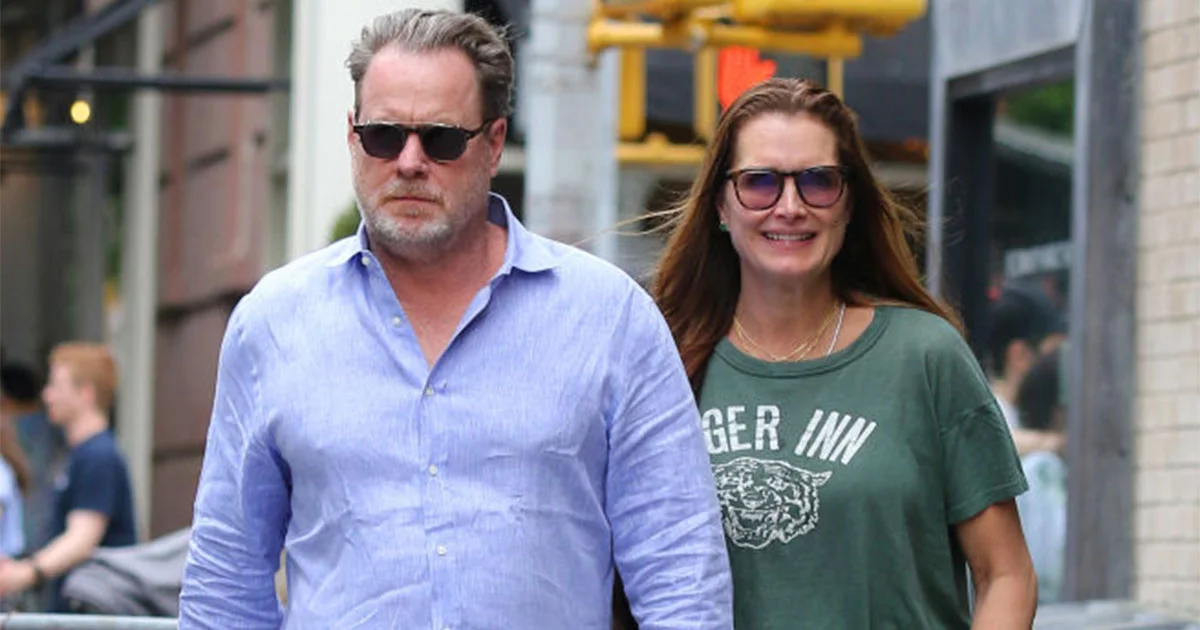
For decades the world told Brooke Shields she was the template—those eyebrows, that bone structure, the Calvin Klein gaze that sold jeans and fantasy in equal measure. Yet the first person to coach her body, her own mother, could also be the first to slash it. Drunken nights in tiny apartments, Teri would bark, “Move your fat ass,” and the sentence etched itself into Brooke’s skin like a tattoo she never asked for. She learned to walk backward out of rooms, shielding the supposed flaw from any eyes that might confirm the insult.
Enter Chris Henchy—screenwriter, steady presence, husband of seventeen years. One evening she tried the old retreat, shuffling rear-first toward the bedroom shadows. He caught her wrist, spun her gently, and said, “No, I want to grab onto you.” No lecture, no flowery poetry—just a refusal to let shame finish its exit. That sentence became the counter-spell, repeated in dressing rooms, on beaches, during post-baby mornings when the mirror felt colder than usual. Slowly the choreography reversed: she entered rooms forward, shoulders dropped, hips claiming space they had been told to vacate.
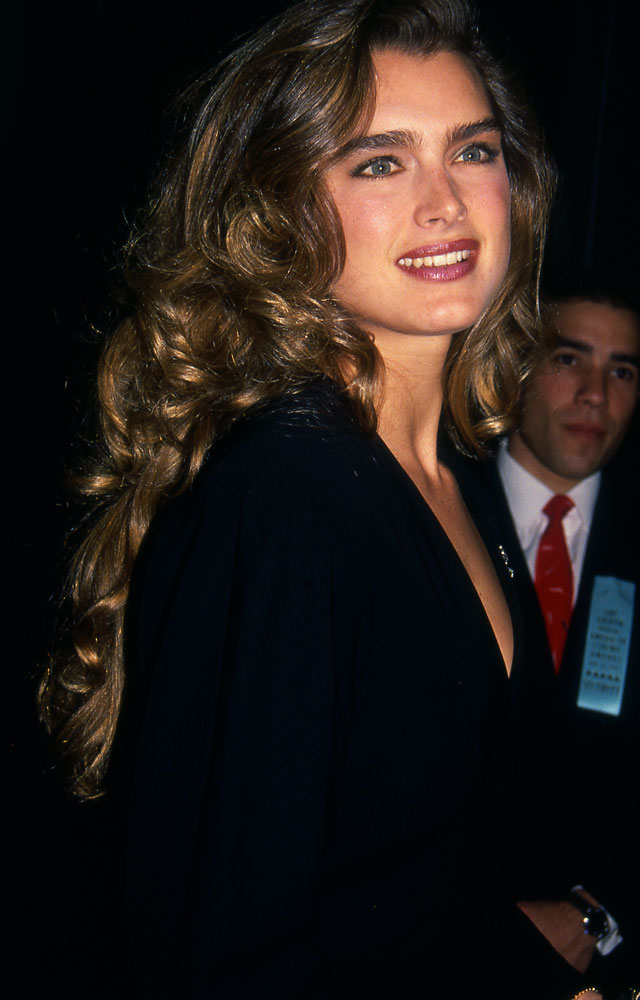
The outer chorus didn’t help much. At fifteen she modeled swimwear while convinced she had no “swimsuit body.” Magazine captions praised her face—“neck-up beauty”—as if the rest were a rental she hadn’t paid for. Even when she returned to Calvin Klein in her fifties, she prepared like an athlete: no wine, three workouts a week, hunger as constant companion. The campaign looked effortless; the behind-the-scenes were discipline and air-brushing. Praise arrived, but it still felt conditional—contingent on how closely she resembled an ideal she had never authored.
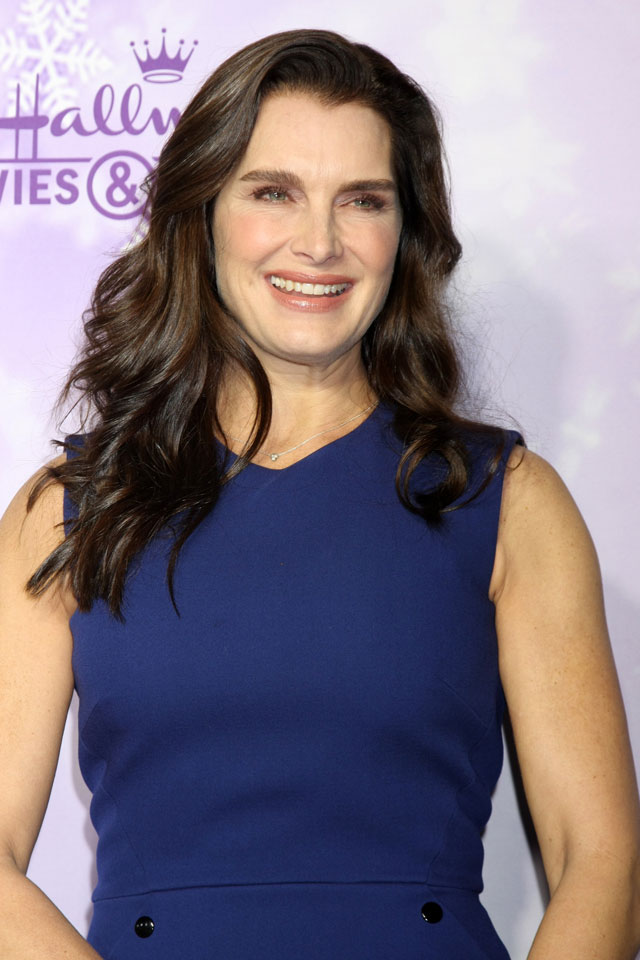
Then came the assault—an executive, a hotel room, the freeze response that locked every joint. For three decades she carried the secret like a second purse, heavy but invisible. When she finally spoke, the story merged with the body-shaming narrative: both were about power, about men defining the borders of her flesh. Telling the truth now is another way of turning around, of refusing to walk backward out of the room called history.
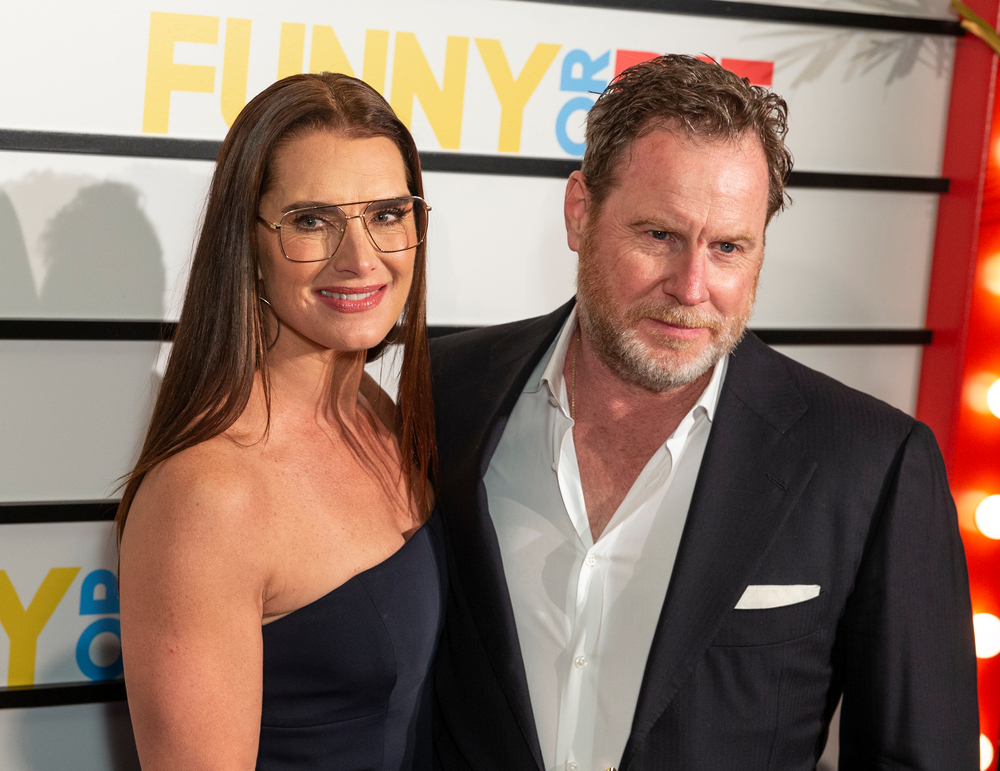
Today when she posts bikini photos at fifty-seven, the caption isn’t “still got it” but “finally own it.” Henchy still reaches for her in kitchens, on red carpets, in unfiltered vacation snaps. The grab isn’t possessive; it’s proof of purchase—her body bought back by herself, with installments of acceptance. Every public appearance is a quiet retort to the drunk voice that once lived in her ear: the ass isn’t fat, it’s carried empire, assault survival, two children, and four decades of scrutiny—and it’s still moving forward, never backward again.