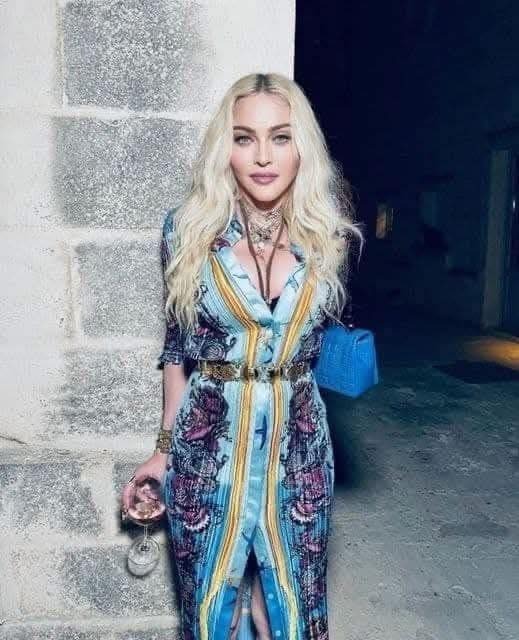
For over forty years, Madonna has been a canvas upon which cultural conversations about femininity, power, and rebellion are projected. Today, one of the most persistent dialogues centers on her appearance and her navigation of aging in the public eye. Her experience underscores a societal paradox: we simultaneously demand that female icons defy time and then critique the methods they use to do so. This tension reveals more about our collective mindset than it does about any individual’s choices.
The digital age has amplified this tension exponentially. Madonna’s Instagram feed is a gallery of powerful, stylized images that project strength and a timeless aesthetic. These are artistic statements and exercises in brand management. In contrast, paparazzi shots, which capture unguarded moments, are presented as “reality.” This creates a jarring narrative of “authentic” versus “constructed,” inviting public dissection. The truth likely resides somewhere in between, in the normal human experience of having both good days and less polished moments.
A recent appearance at her own book party exemplified this dynamic. Dressed in a corset and fishnets—garments historically tied to her persona of sexual and stylistic liberation—she made a statement of continued relevance and control. Yet, for many commentators, the story became not about her literary work or her enduring influence, but solely about the audacity of an older woman wearing such an outfit. The subtext of the criticism was clear: she had breached an unspoken rule about how a woman of her age should present herself.
The vocabulary used in these critiques is telling. Terms like “granny” are wielded not as neutral descriptors but as insults, meant to shame and enforce compliance with age norms. It prompts a critical question: what, exactly, is the culturally approved way for a legendary, groundbreaking woman to grow older? Should she fade quietly from view, or does her lifelong commitment to challenging norms grant her the right to do so on her own terms, even now?
The core of this discussion isn’t really about cosmetic procedures or photo editing. It’s about the freedom of self-definition. Madonna’s ongoing journey forces a necessary examination of why we are so unsettled by visible aging in women, and why a female icon’s value seems so perilously tied to perpetual youth. Her most provocative act today may not be a controversial video, but her refusal to disappear or conform to a narrow, age-based expectation of how she should look and act.